As If Leaving, As If Returning
 As If Leaving, As If ReturningThe Der Freischütz fantasy, unrolled on a handscrollView Now
"No rule governs the motion, now perilous, now safe. Advance and halt cannot be foretold: as if leaving, as if returning."
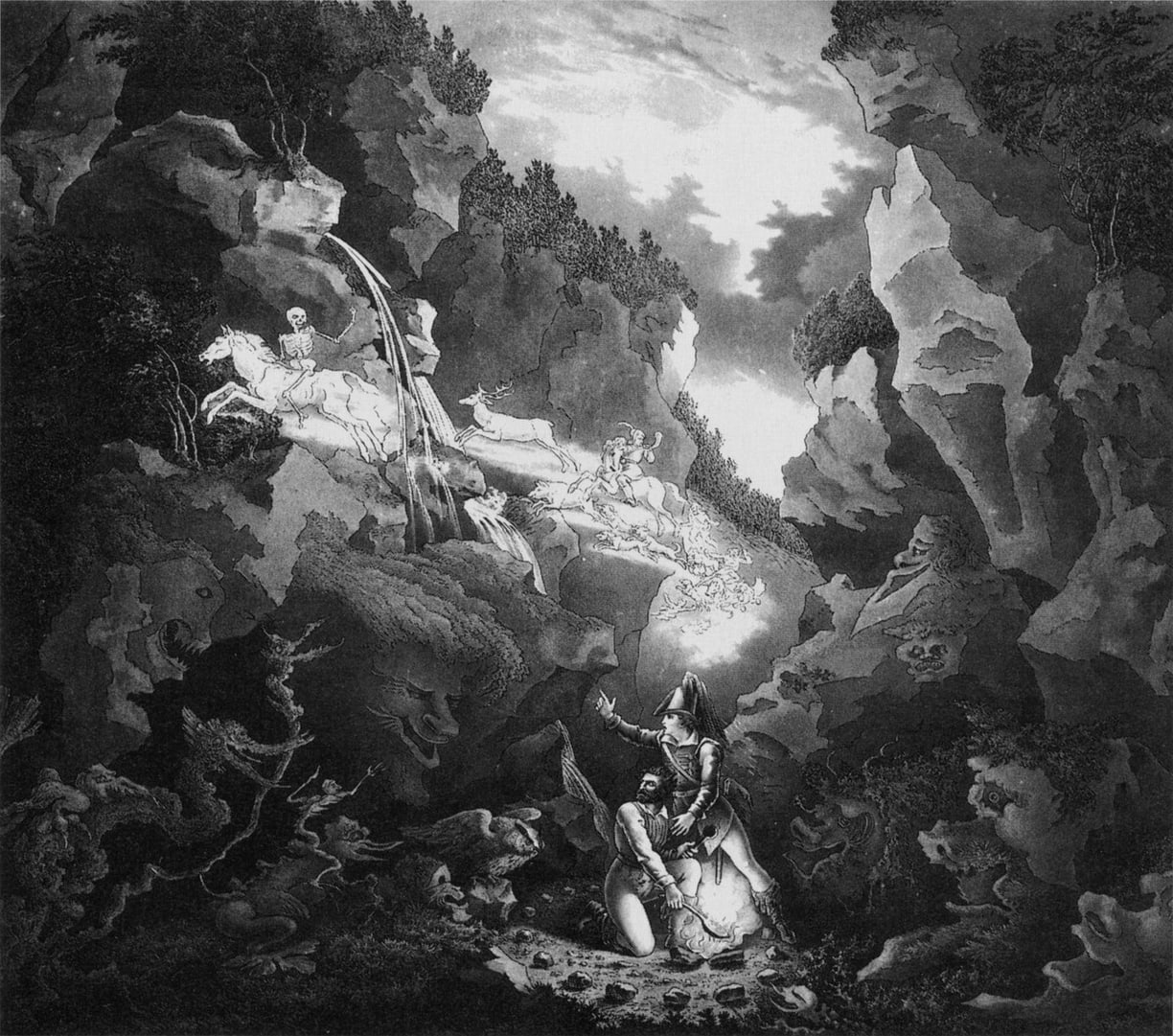
I began practicing the Der Freischütz fantasy in middle school, and every time I hear it I think something different. It seems always to be leaving and always to be coming back. As If Leaving, As If Returning is what I think today: a new arrangement of the fantasy's introduction, and an essay in Chinese and English on beauty across time and aesthetics in the age of AI.
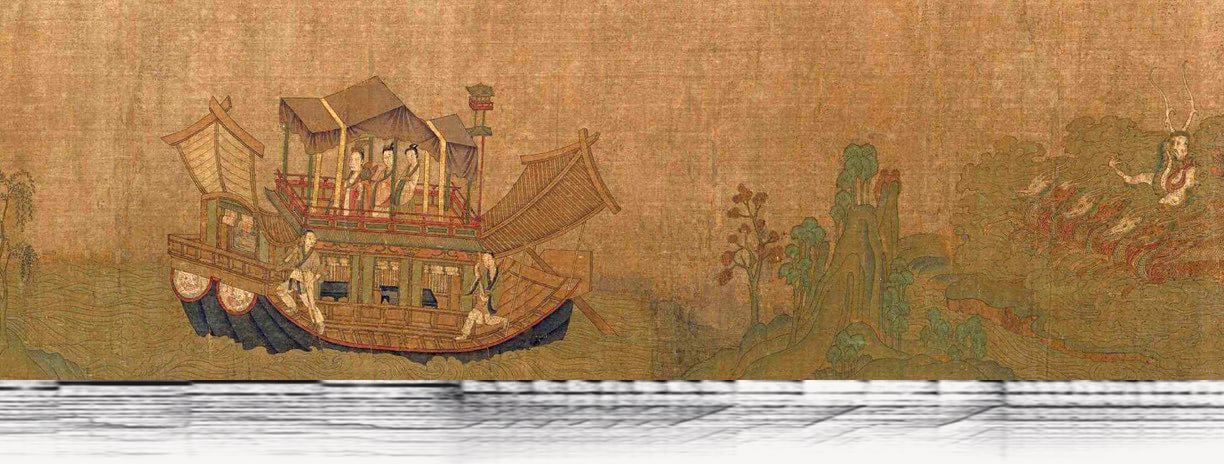
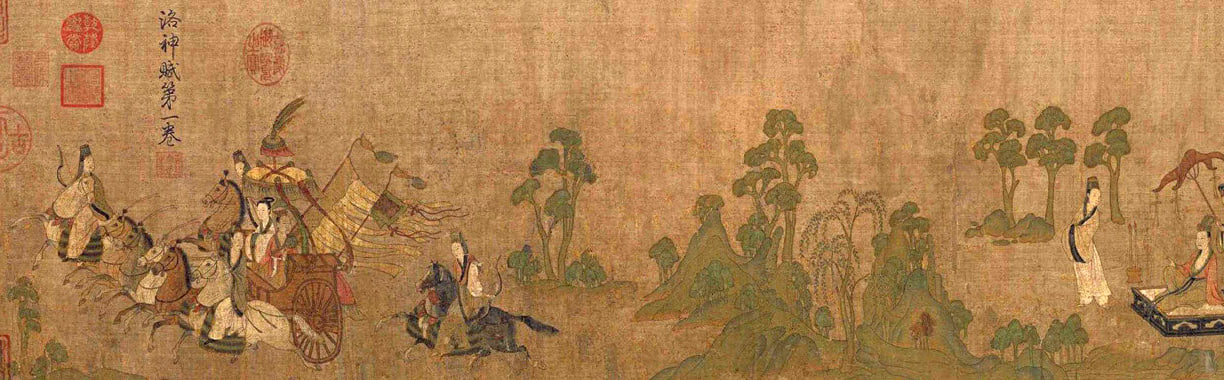
The page is built to be listened to. A Song dynasty handscroll unrolls with the recording, the shadow of the music lies beneath it, and the essay reads alongside.
The Arrangement
The melodies began in Weber's opera of 1821 and reached the clarinet in Fritz Kroepsch's fantasy, Op. 6. My arrangement is the next move. Beyond the clarinet it has backing, harmony, and voices, and these sounds do not come from my breath. My work is the arrangement: where the melody stays, what surrounds it, when it steps back.
The melody of the introduction never runs through whole. It enters as soon as the music begins, is easiest to recognize from 0:55 to 1:09, returns after 1:32, and then leaves the surface as the bass grows heavier. In the closing seconds the first notes of the introduction appear, and the piece ends where the introduction begins.
The Handscroll
A handscroll is already a way of keeping time. It opens from the right, one arm's length at a time, and in the Nymph of the Luo River the same goddess appears again and again along its length, arriving and receding. On the page the scroll unrolls across the 3:33 of the recording, and moving the scroll moves the music. The painting is published unaltered.
The Shadow
Beneath the painting lies the shadow of the melody, the only new image on the page. It is computed from the recording: a spectrum from 70 Hz to 5.4 kHz on a logarithmic scale, one column every 50 milliseconds, drawn as ink with the lowest notes at the waterline. Time runs from right to left, like the painting above it, so a held note is a long horizontal stroke and a dense passage gathers into dark wash.

The Essay
The essay moves between Cao Zhi and Wang Xizhi, Kant, Gadamer, Benjamin, and Kierkegaard, and holds one judgment at its center: AI can read all of the past and has no present of its own. It never leaves, so it cannot return. The weight of beauty comes from human limits: limited time, limited attention, only so many hearings in a life.
Der Freischütz is a parable of this. Of the magic bullets, six obey the marksman and the seventh obeys the devil. When we no longer have to complete every note by hand, what remains ours to decide?